
cutting laminated safety glass
Replacing a pressure valve on a water heater is a vital maintenance task that can enhance the efficiency and longevity of your appliance. As someone with years of experience in plumbing and home maintenance, I understand the importance of ensuring every component of your water heater functions optimally. The pressure relief valve, often overlooked, plays a critical role in preventing excess pressure buildup, which could lead to serious damage or even explosion. Understanding the Function of the Pressure Valve The pressure relief valve is a safety feature designed to release water and decrease pressure within the tank if it gets too high. It's essential for the protection and operational efficiency of your water heater. Without it, the increasing pressure could cause the tank to burst, leading to costly repairs and dangerous situations. Identifying When Replacement Is Necessary From a professional standpoint, the first step in replacing a pressure valve is recognizing when it's time for a replacement. Signs that your valve may be failing include water leakage around the base of the valve, inability to release pressure, or if the valve doesn't sound like it’s functioning properly during regular checks. Consistent monitoring and maintenance checks of this valve are essential, typically on an annual basis, to ensure your water heater remains in top condition. Expert Steps in Replacing the Pressure Valve Safety is paramount. Begin by turning off the power supply to the water heater, whether it's electric or gas. Then, shut off the cold water supply that leads into the tank to prevent refills during maintenance. Next, relieve the pressure in the tank by opening a hot water faucet in your house and allowing it to run until it is cool. Drain the tank slightly by connecting a garden hose to the drain valve to allow the pressure valve to be removed without spilling water. replacing pressure valve on water heater With a pipe wrench, carefully remove the existing pressure relief valve from the heater . It’s crucial to inspect this valve once removed. If you notice mineral deposits or rust around it, consider flushing your tank to prevent further issues. Installing the new valve involves wrapping the threads with plumber's tape—this ensures a watertight seal. Carefully screw the new valve into place without overtightening, which can damage the threads and lead to leaks. Restoring Power and Checking for Leaks Reopen the water supply to the water heater and allow it to fill completely. Only then should you restore power to the unit, ensuring the water is heated safely. Once the unit is back online, monitor the pressure valve for any signs of leaks, which is a telltale indicator of improper installation or a defective valve. Establishing Trust and Reliability In my professional experience, ensuring every component of your water heater works correctly builds not only an efficient system but also peace of mind. By following these expert steps and understanding the importance of every part of your system, you can prevent costly incidents and extend the life of your water heater. If you encounter difficulties or uncertainties during valve replacement, consulting with a certified plumber is always recommended. Leveraging industry expertise not only confirms DIY efforts but also enhances trust in the safety and efficacy of your home systems. Overall, handling the replacement of a water heater pressure valve with care, precision, and regular maintenance reflects a commitment to home safety standards. It's an investment in your home’s functionality that pays dividends in trustworthiness and authoritative maintenance practices.
about
cutting laminated safety glass
The Versatility of Metal Mesh Strainers in Everyday Cooking Metal mesh strainers are essential tools in any kitchen, revered for their functionality and durability. They come in various sizes and mesh types, making them suitable for a wide range of culinary tasks. From simple straining of liquids to more complex food preparation, these strainers serve numerous purposes, enhancing both efficiency and convenience in food preparation. One of the primary uses of a metal mesh strainer is for draining pasta. The fine mesh allows water to escape while retaining the pasta, ensuring a perfect al dente texture. Unlike plastic strainers, metal versions can withstand high temperatures, making them ideal for hot pasta. Additionally, they can be used to rinse grains such as quinoa or rice, effectively removing excess starch and preventing clumping. Another common application is in the preparation of stocks and broths. When making homemade stock, a metal mesh strainer helps to separate the solids, like vegetable scraps and bones, from the flavorful liquid. This ensures a clear and delicious broth, free from unwanted bits that can alter the texture and flavor of soups and sauces. metal mesh strainer Beyond cooking, metal mesh strainers are also valuable for baking. They can be used to sift flour, powdered sugar, or cocoa powder, resulting in a lighter and fluffier end product . This step is crucial in recipes where texture is paramount, such as cakes and soufflés. In addition to their practical applications, metal mesh strainers are incredibly durable and easy to clean. They are typically made from stainless steel, which is resistant to rust and stains, ensuring they maintain their appearance and functionality over time. Many models are dishwasher-safe, allowing for hassle-free cleaning after use. Moreover, the versatility of metal mesh strainers extends to various types of beverages. They are often employed in the preparation of cocktails, allowing bartenders to strain out pulp and ice for a smooth, refreshing drink. Tea connoisseurs also utilize them to brew loose-leaf teas, enabling a rich infusion without the mess of floating leaves. In conclusion, metal mesh strainers are indispensable kitchen tools that enhance the cooking and baking experience. Their ability to handle high temperatures, ease of cleaning, and multifunctional uses make them a staple for both amateur and professional chefs alike. Whether you're straining pasta, preparing stocks, or sifting dry ingredients, these strainers undoubtedly elevate the quality of your culinary creations.
-

High quality industrial productsagement

High quality industrial products
View Details -

Meet the diverse needs of customers

Meet the diverse needs of customers
View Details -

Strict quality control

Strict quality control
View Details -

Top raw materials

Top raw materials
View Details -

Trusted supplier

Trusted supplier
View Details
Our application

news and information
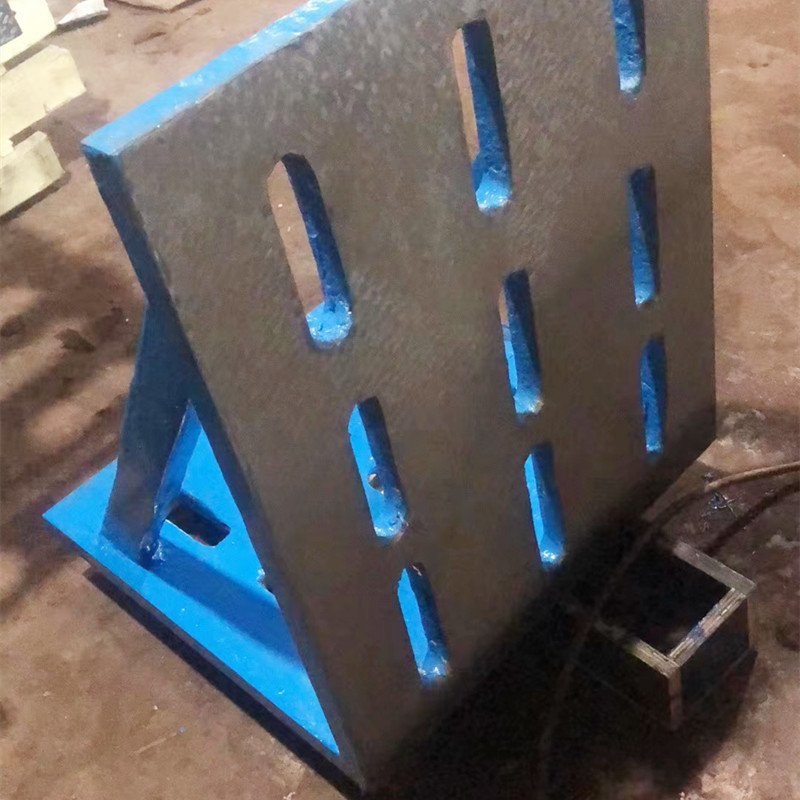
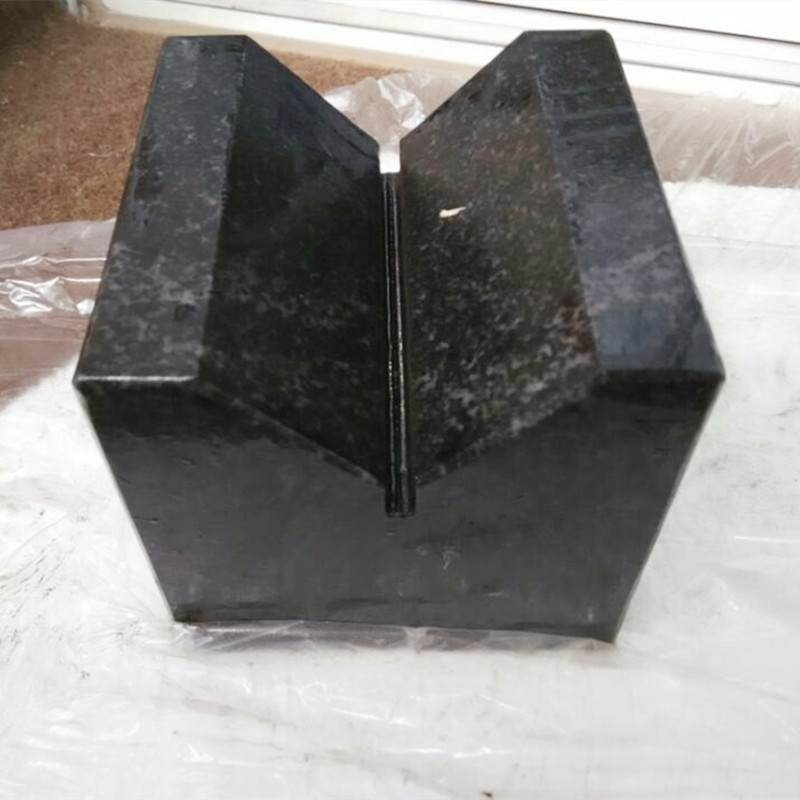
v block price
Understanding V Block Price An Overview In the ever-evolving landscape of digital currencies and bl
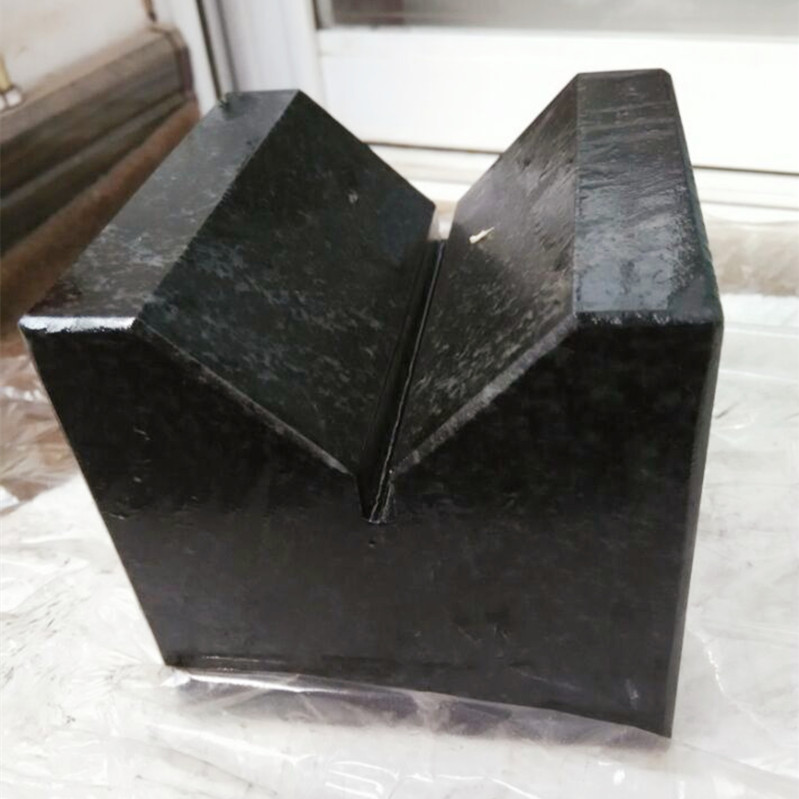
Valvola di ritegno da 4 pollici
La valvola di ritegno da 3 4 pollici è un componente essenziale nei sistemi idraulici e pneumatici.
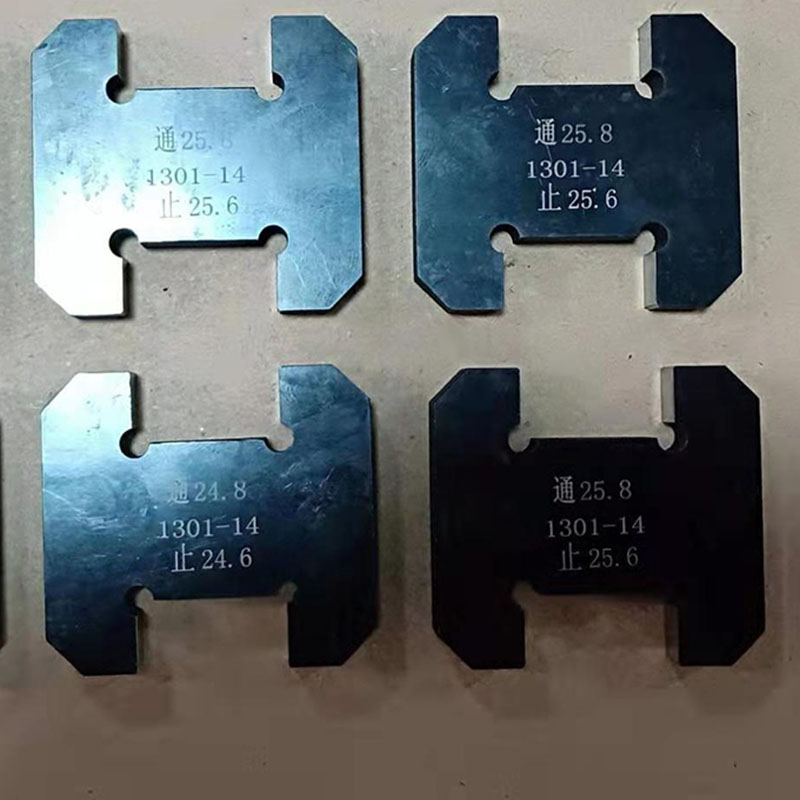
Welding Tables_ The Essential Tool for Precision and Durability
A welding table is a must-have for anyone involved in metalworking or fabrication. When it comes to
 English